Play is such a huge part of life, not just for children, but for adults too, and even many creatures of this world embrace play throughout their lifetime. I am passionate about play in all forms, not just therapy and so I aim to be an advocate for Play in all areas and times of life. Play for children can be light-hearted, but it is also a means of communication and learning. For adults, play is relaxing, a free and easy stimulation away from the priorities of life. Learning to enjoy free time involving play of some form is vital for well-being and a positive life balance.
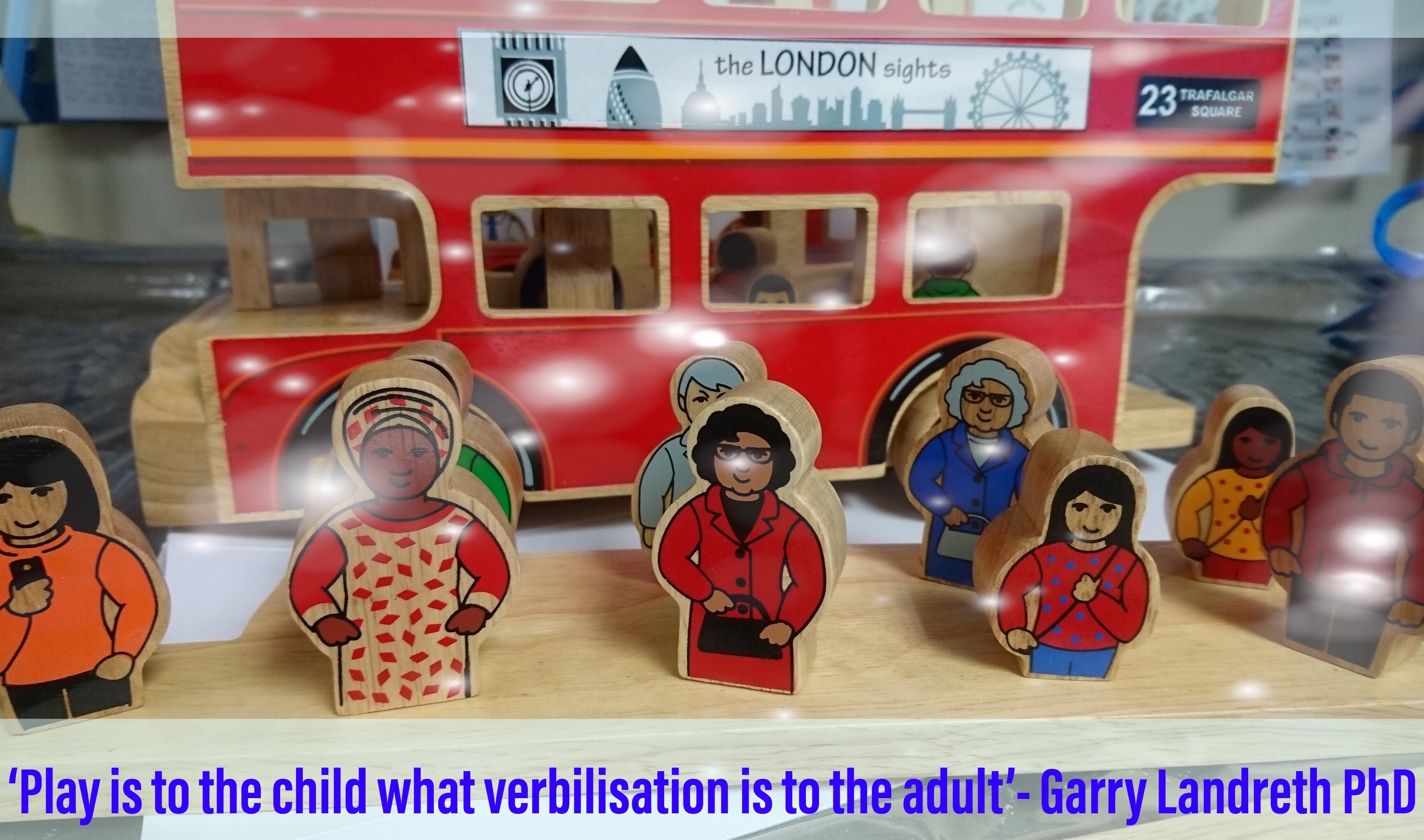
Play is somewhat lost in today’s busy world of technology, rigid education systems and the continued need to be busy. Relaxation and self-care are so important in today’s society, as we have a need to look up from our screens and take in the small things life has to offer. By embracing the wonderful natural world and the people around us we make connections that, as human beings, we need to thrive. These natural connections allow positive relationships and play to evolve at any age. Albert Einstein said ‘Play is the highest form of research’ but it can also be the best way to relax and enjoy something fun, as it takes you a step away from the world that pulls you in so many directions.
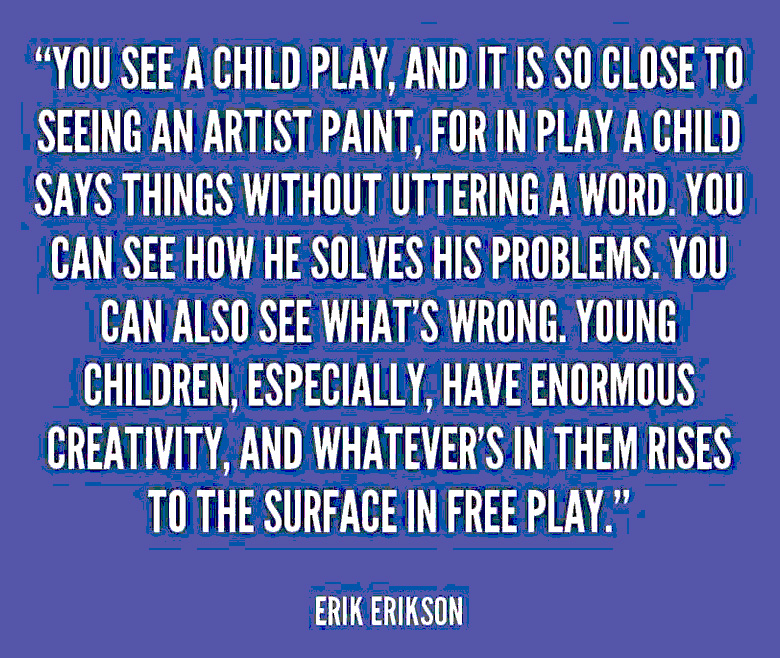
The Charity Play England describes play as: ‘what children and young people do when they follow their own ideas and interests, in their own way, and for their own reasons.’ They also state that Play has also frequently been described as ‘what children and young people do when they are not being told what to do by adults’.
Play England says that recent research suggests that children’s access to good play provision can:
- increase their self-awareness, self-esteem, and self-respect
- improve and maintain their physical and mental health
- give them the opportunity to mix with other children
- allow them to increase their confidence through developing new skills
- promote their imagination, independence and creativity
- offer opportunities for children of all abilities and backgrounds to play together
- provide opportunities for developing social skills and learning
- build resilience through risk taking and challenge, problem solving, and dealing with new and novel situations
- provide opportunities to learn about their environment and the wider community.
They also state that evidence is also available which outlines wider benefits of play provision for families and communities, suggesting that:
- parents can feel more secure knowing that their children are happy, safe and enjoying themselves
- families benefit from healthier, happier children
- buildings and facilities used by play services are frequently seen as a focal point for communities
- it offers opportunities for social interaction for the wider community and supports the development of a greater sense of community spirit, promoting social cohesion
- public outside spaces have an important role in the everyday lives of children and young people, especially as a place for meeting friends
- parks and other green spaces are popular with adults taking young children out to play and for older children and young people to spend time together.
With the growing concern in society for children’s mental health the benefits of Play need to be recognised, communicated and implemented in all areas of childhood. The value of play positively influencing a child’s development should be promoted as enhancing mental health in children to create a greater understanding of its importance in life.
Let’s Play Through Lifes Journey!!
 Flourish & Play