Children never refer themselves to Play Therapy, so they often have questions and sometimes feel they have done something wrong. At the beginning of the intervention process we give children a booklet to help them with any uncertainties and to give them the understanding that this is a positive form of help. The information below is what we wish to convey to children to try and answer their questions. However, should you or your child have a query not answered here, then please contact us and we can respond to your request for further information via email or a call.
What is Play Therapy?
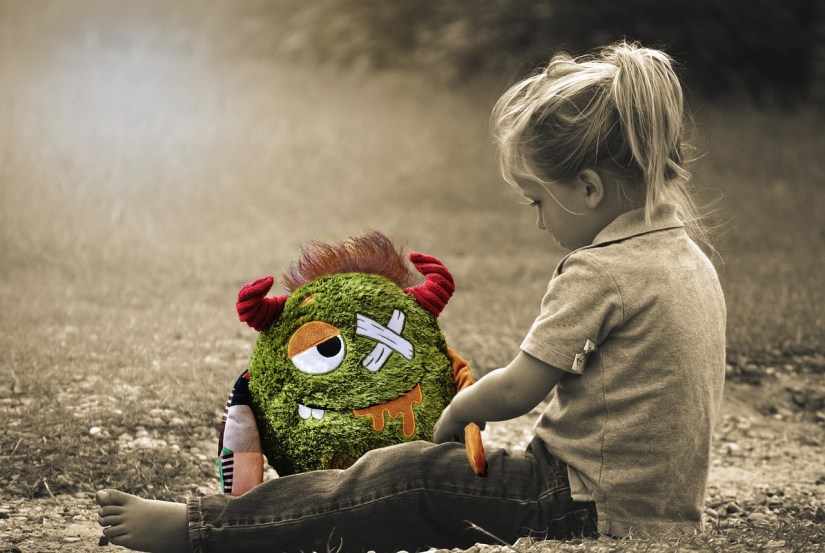
Play therapy is there to help children, mainly those who have horrid, sad and hurt feelings.
When you fall over you possibly hurt yourself on the outside with a cut or a scrape of the skin. It hurts, everyone can see it and you may even cry. When those that care for you see you are hurt they usually give you a hug and look after the sore bits. If it is a bigger hurt they may even take you to the doctor to help make you feel better. When things happen that have made your feelings hurt on the inside, people may not see these feelings and so you have them hidden inside you. A Play Therapist can help you with these sad, angry, lonely, unhappy feelings so you can feel better

Why do I have to see a Play Therapist?
Talking about your feelings can be hard sometimes. A play therapist is there to try and help you feel better without having to use words. This happens by playing, because it is easier to play out your feelings rather than talking about them.
Your play therapist has been asked to meet with you as you feel sad, scared, angry or because something unpleasant has happened.
What will my Play Therapist do?
Before meeting you your play therapist will need to find out what is wrong. They do this by meeting the grown-ups who know you best and then they can plan how best to help you.
After that, your play therapist will arrange to meet you. This will be continued at the same time, in the same place, every week and it is your time to play together for almost an hour.
What will we play with?
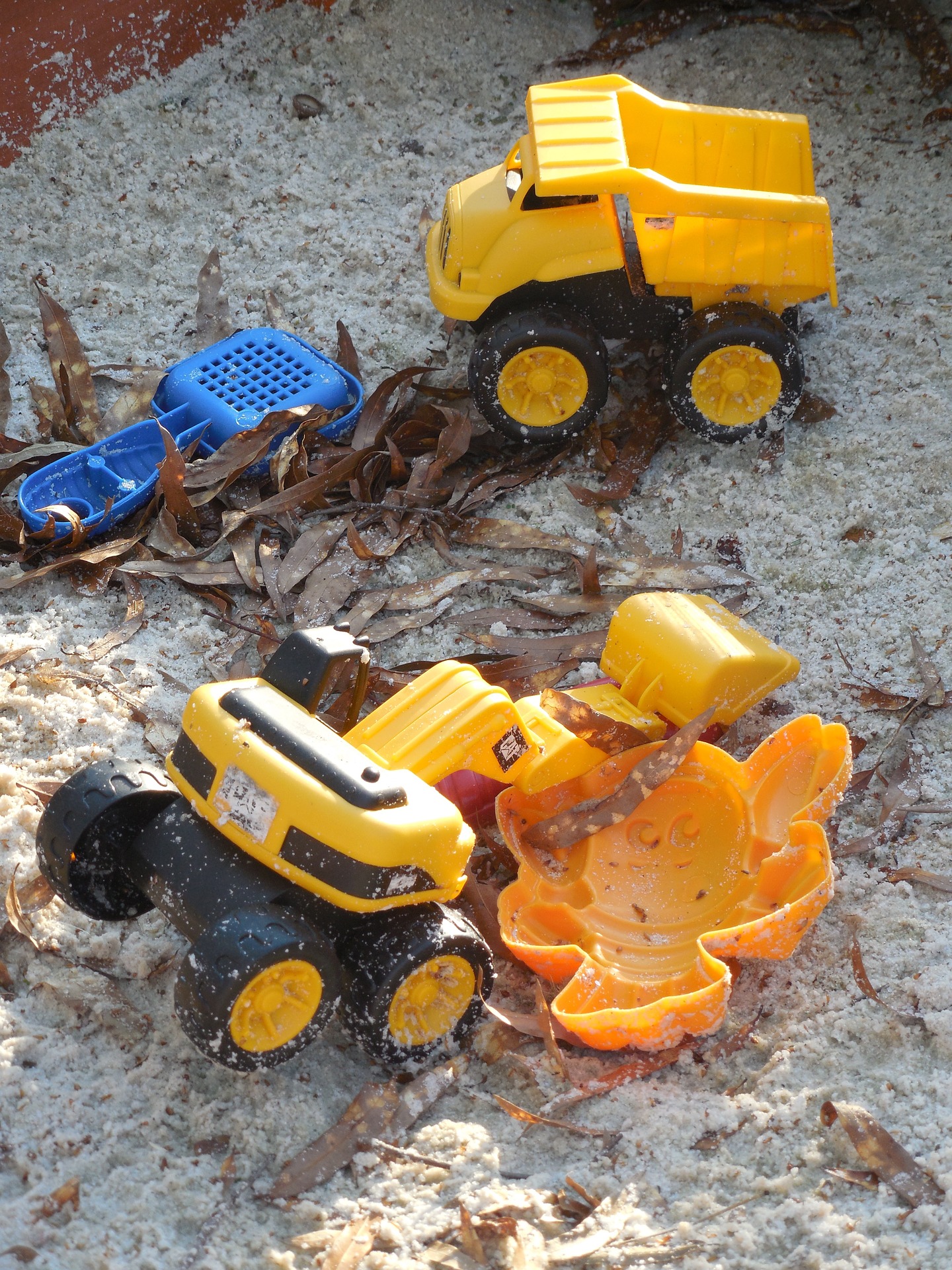
Your Play Therapist will have so many toys to play with! A wide variety of things will be available, including drawing & painting stuff, toy people and animals, sand & water, puppets and storybooks among other things.
In your Play Therapy time, you choose what you want to play with.
As you play your play therapist will help you with your feelings and worries. The help from the play therapist as you play will make you feel better.
Do I have to remember any special rules?
You get to choose what to play with, in the playroom with the Play Therapist, you also can do or say nearly anything you wish to.
Your Play Therapist may have a few special rules, which will include not breaking any toys on purpose. But the biggest rule in the playroom is that you do not hurt each other, which means that you both stay safe in every session.
How many times do I have to keep going ?
Children often get confused by their own feelings and this can cause problems. If a child is able to understand their feelings then often problems get better.
Every child and their experiences are unique, so this might happen quickly or it may take a long time.
When the end comes around you will feel ready to say goodbye and so will your play therapist. At this point, you will feel confident and able to get on without them.

Is my play therapy time a secret?
It is up to you if you keep your play therapy time private but it is not a secret.
If you are happy to, you can talk about what you have been doing to anyone you wish to.
However, if you do not wish to talk about it then you do not have to tell anyone if that feels better for you. Keeping it to yourself is okay.

Will my Play Therapist tell everyone about our play time?
Every play therapy session you have is private between you and your Play Therapist, but not a secret. The details of whatever you play and talk about will not be told to others by your Play Therapist. However, they will need to talk to significant grown-ups about how you are getting on, but they will not tell other children.
There may be a time when you and your Play Therapist will decide to tell someone something important.
Playing to Make a Difference!
 Flourish & Play